Moss on Your Roof in the Pacific Northwest: What to Do
By Curtis Thompson, DHT Construction & Roofing · Published · Updated
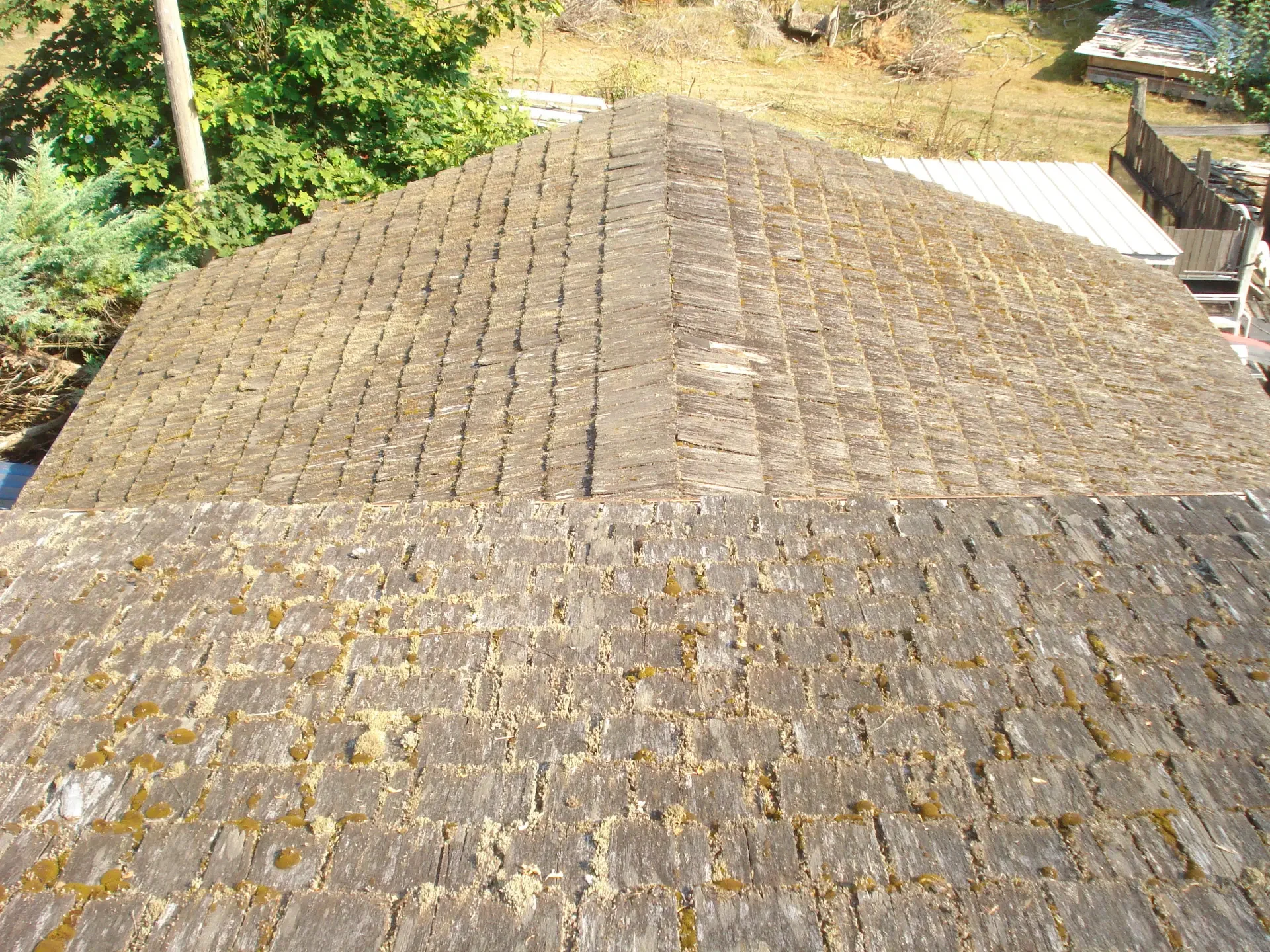
Moss on a Pacific Northwest roof is common, but it should not be treated as just a cosmetic problem. Long wet seasons, shade and roof debris can keep surfaces damp long after the rain stops. What matters is the condition of the roof underneath, not simply how green it looks.
For Tacoma and Pierce County homeowners, the safest first step is observation from the ground. This guide explains why moss grows, why aggressive cleaning can create problems, and how to decide whether your roof needs maintenance, a repair or an inspection before winter storms arrive.
Why does moss grow on roofs in the Pacific Northwest?
Moss thrives where moisture lingers. Our long rainy seasons give it opportunities to establish on shaded roof surfaces, especially beneath overhanging trees. North-facing areas may dry more slowly than sunny slopes, so one side of a house can look very different from another.
Leaves, fir needles and small branches can collect in valleys and near roof edges. That debris holds moisture and makes it harder for water to drain away. A roof does not have to leak for these conditions to develop, and moss alone does not reveal how much useful life remains.
Can moss damage shingles or cause a roof leak?
Moss holds water against roofing surfaces and can grow around shingle edges. As growth becomes thicker, it may interfere with the way overlapping shingles shed rain. Debris caught around the moss can also slow drainage through valleys and toward gutters.
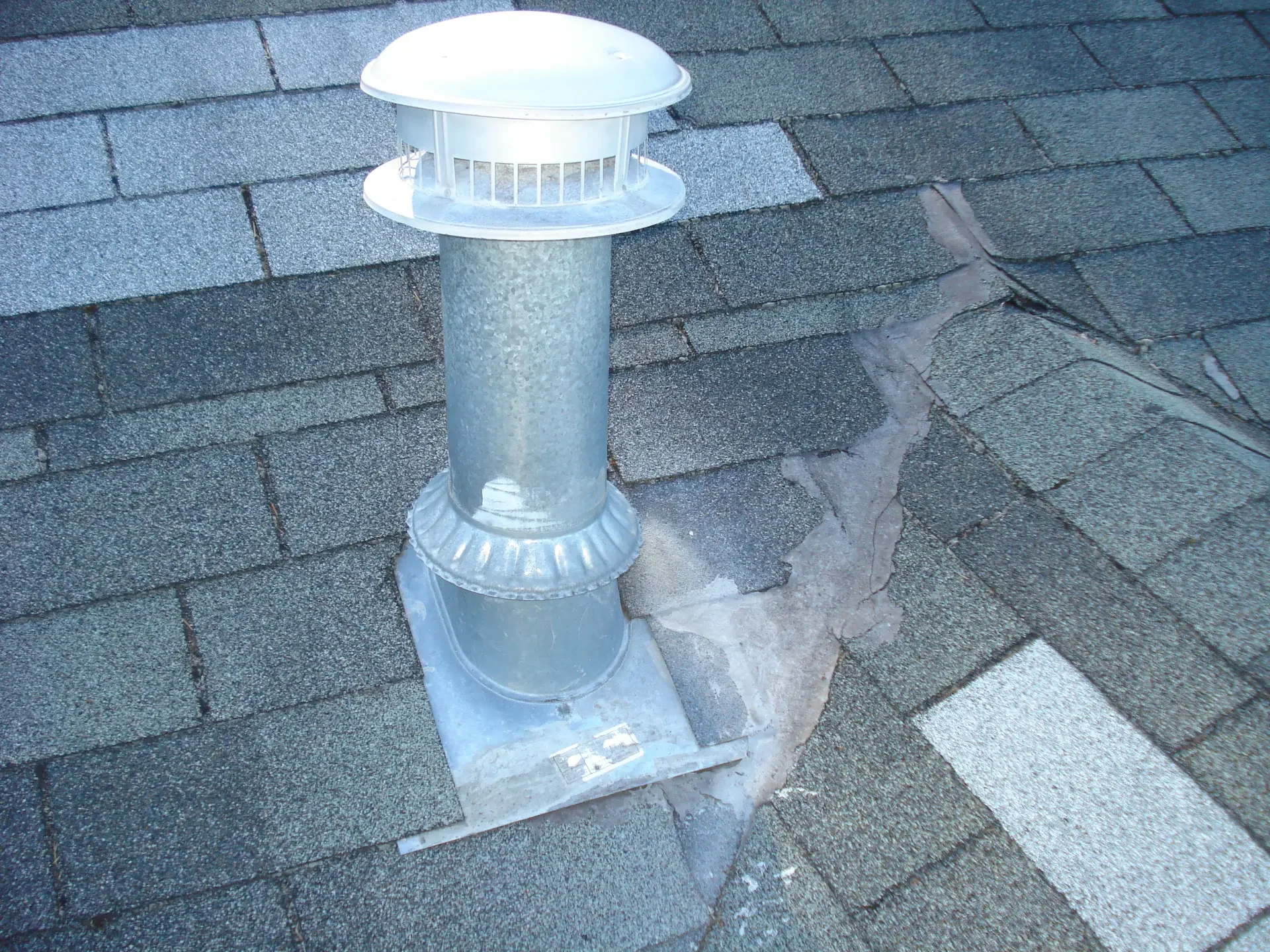
A leak can have several causes, however. Worn flashing, a damaged vent boot or missing shingles may be more important than the moss you can see. Water can travel before appearing indoors, so a ceiling stain is not a reliable map of the opening above it.
Should I pressure wash moss off my roof?
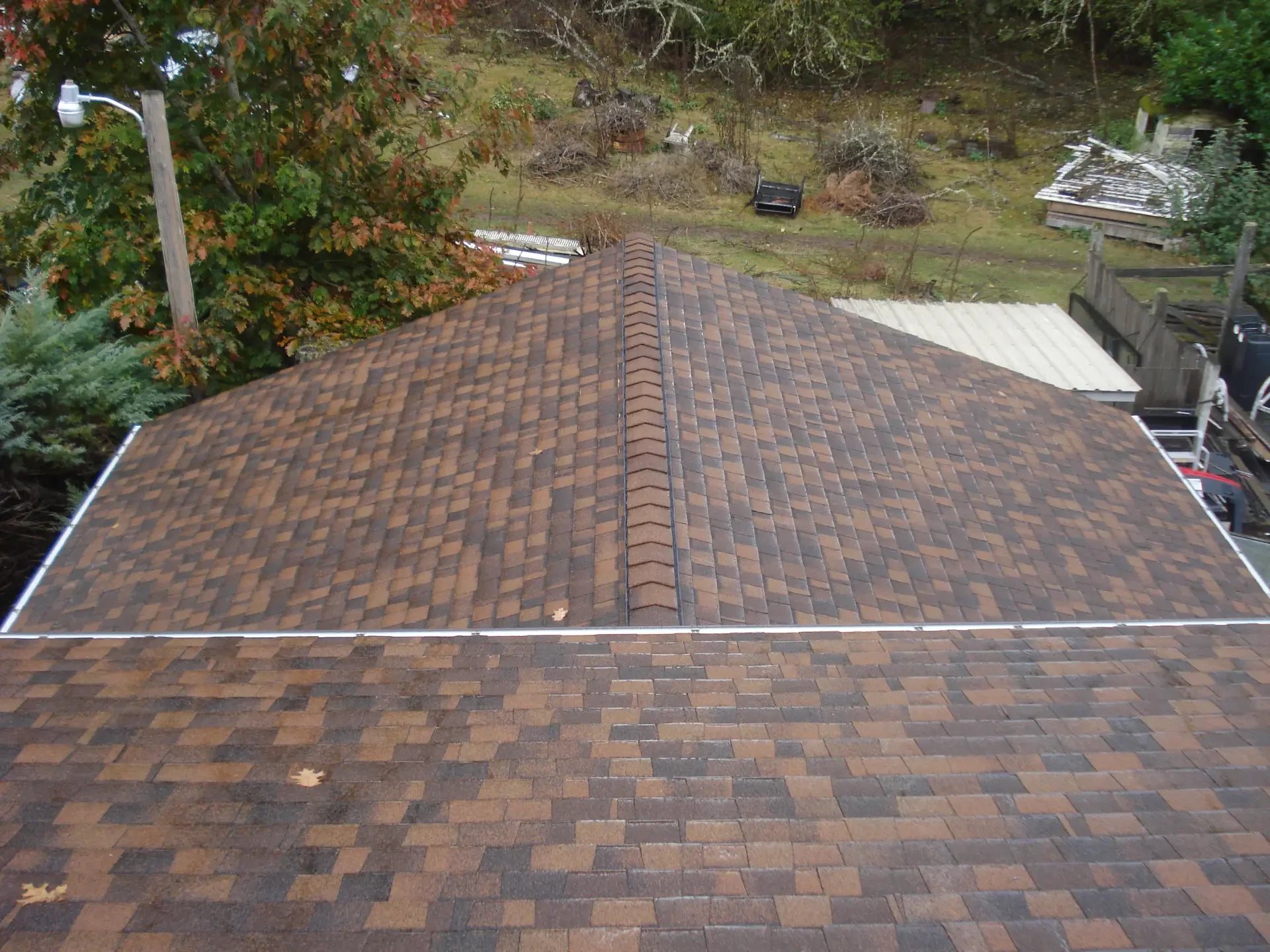
Aggressive pressure washing is not a safe default for roof moss. Forceful water can damage roofing surfaces or push water beneath overlapping materials. On asphalt shingles, harsh cleaning can disturb the protective surface, turning a maintenance concern into a repair problem.
Do not climb onto a wet roof with a pressure washer or stiff brush. Moss and damp shingles make footing unpredictable, and a roof that already has damage may not support work safely. A ladder does not make the task risk-free, especially during gusty fall weather.
Ask a qualified roofing professional what cleaning approach is suitable for the material and its condition. Follow the roofing manufacturer's care guidance rather than copying a treatment intended for a driveway or patio. This article does not recommend a particular chemical or promise that cleaning will restore a worn roof.
What is a safer way to deal with roof moss?
Start by taking photos from the ground and noting any indoor warning signs. Record where gutters overflow, where debris collects and whether you have noticed loose shingles after windy weather. You can share these observations without disturbing the roof or removing evidence of a leak.
If moss is thick, the roof looks fragile or you already have a water stain, have the condition assessed before arranging removal. Maintenance and repair are different tasks: removing growth does not replace failed flashing, repair damaged shingles or resolve deteriorated decking.
DHT Construction & Roofing offers a free roof inspection with photo documentation and an honest recommendation. Use that inspection to understand what needs attention first. An inspection is not a promise that every moss-covered roof needs replacement, and this guide does not advertise a separate moss-cleaning service.
See your roof price in 60 seconds
How can I reduce the conditions that encourage roof moss?
Keeping gutters and drainage paths clear helps rain leave the roof as intended. Arrange safe removal of accumulated leaves and needles rather than letting them form damp piles. Pay attention to valleys and roof edges, where debris can collect repeatedly through autumn.
Overhanging branches can contribute both shade and debris. Where appropriate, ask a qualified tree professional about trimming them safely. Do not cut branches near power lines yourself, and do not assume removing every nearby tree is necessary or practical.
Check the roof from the ground after storms and when seasons change. Watch for new debris, overflowing gutters and changes in shingle appearance. A regular observation habit can help you notice a problem earlier, but it does not replace a professional inspection or guarantee a moss-free roof.
When does a moss-covered roof need repair or replacement?
A limited problem on a roof that is otherwise sound may call for a targeted repair. Missing shingles, a damaged vent boot or failed flashing can often be addressed without replacing every slope. The surrounding materials still need to be assessed so the repair deals with the cause.
Widespread curling, repeated leaks and deterioration across several areas make the replacement conversation more important. Thick moss can hide those signs, so ask to see inspection photos and an explanation of what was found rather than deciding from the color of the roof alone.
Before the Pacific Northwest winter, it helps to separate urgent water-entry problems from longer-term planning. Start with a free instant quote and book a free inspection with DHT. The inspection can clarify whether repair is enough, while the fall inspection guide helps you think about storm preparation beyond moss alone.
Frequently asked questions
Does moss always mean I need a new roof?
No. Moss alone does not establish whether replacement is necessary. An inspection can assess the shingles, flashing, drainage and extent of any damage before recommending maintenance, repair or replacement.
Is pressure washing a good way to remove roof moss?
Aggressive pressure washing can damage roofing surfaces or force water beneath materials. Ask a qualified professional about a suitable method and follow the roofing manufacturer's care guidance.
Can I inspect a moss-covered roof myself?
You can observe from the ground and note indoor stains, debris and overflowing gutters. Do not climb onto a wet or moss-covered roof; arrange a professional inspection instead.
Does DHT offer a free roof inspection?
Yes. DHT Construction & Roofing offers a free roof inspection with photo documentation and an honest recommendation. Get a free instant quote online or call (253) 363-1948.
Get your roof price in 60 seconds
Type your address, we measure your roof by satellite, and you book a free inspection.