
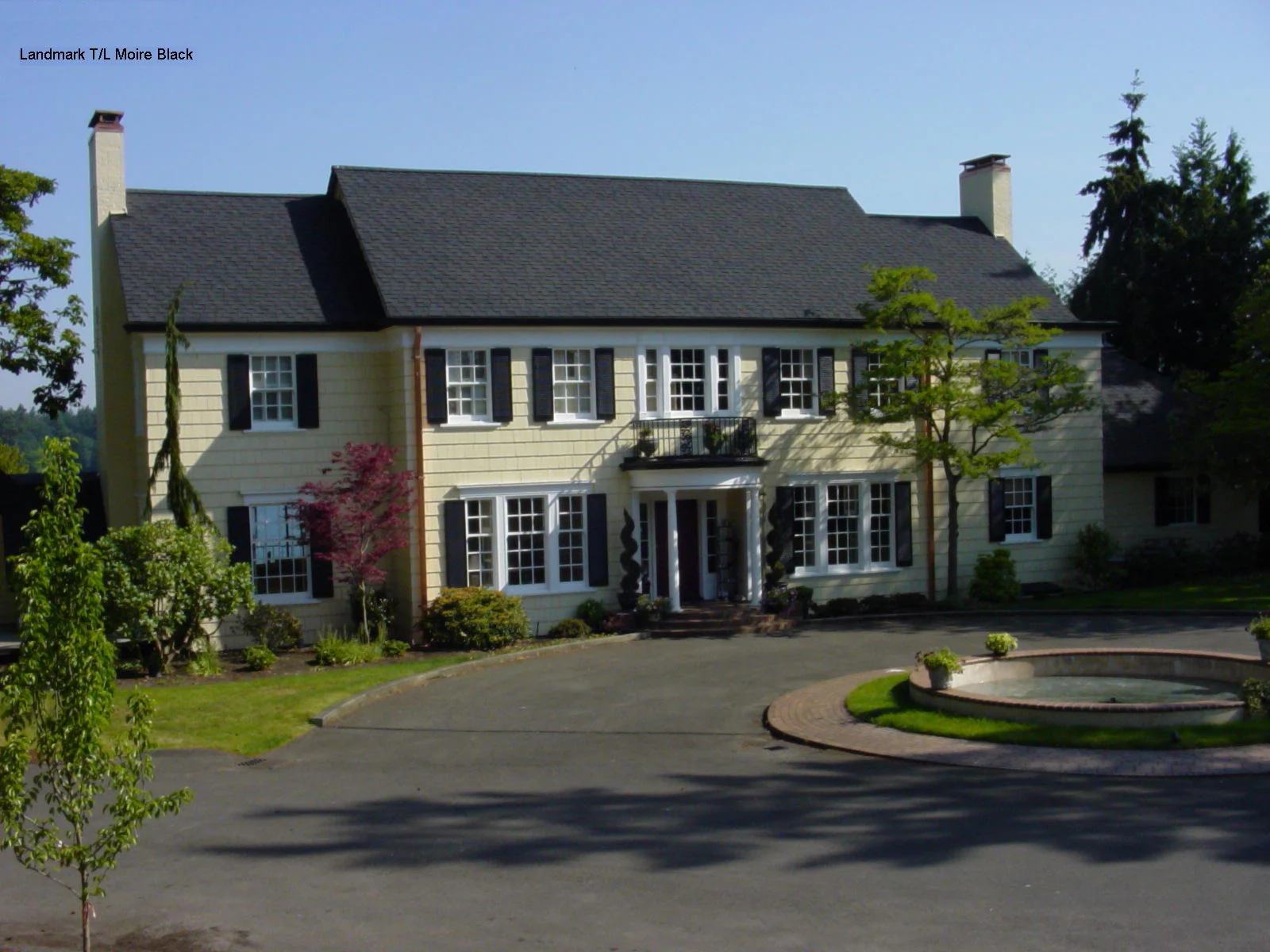
Roof Replacement in Kent, WA
A replacement plan for a Kent valley rambler should not be copied unchanged onto a two-story hillside home. Roof shape, access, drainage and exposure can produce very different scopes even when the same shingle is selected. DHT Construction & Roofing provides residential roof replacement with asphalt shingles or metal, starting with the condition of the existing assembly. For homeowners comparing a repair with a full reroof, the useful question is what work will restore dependable protection across the house, including any roof areas that cannot use the same covering as the main slope.
Match the plan to Kent’s varied home context
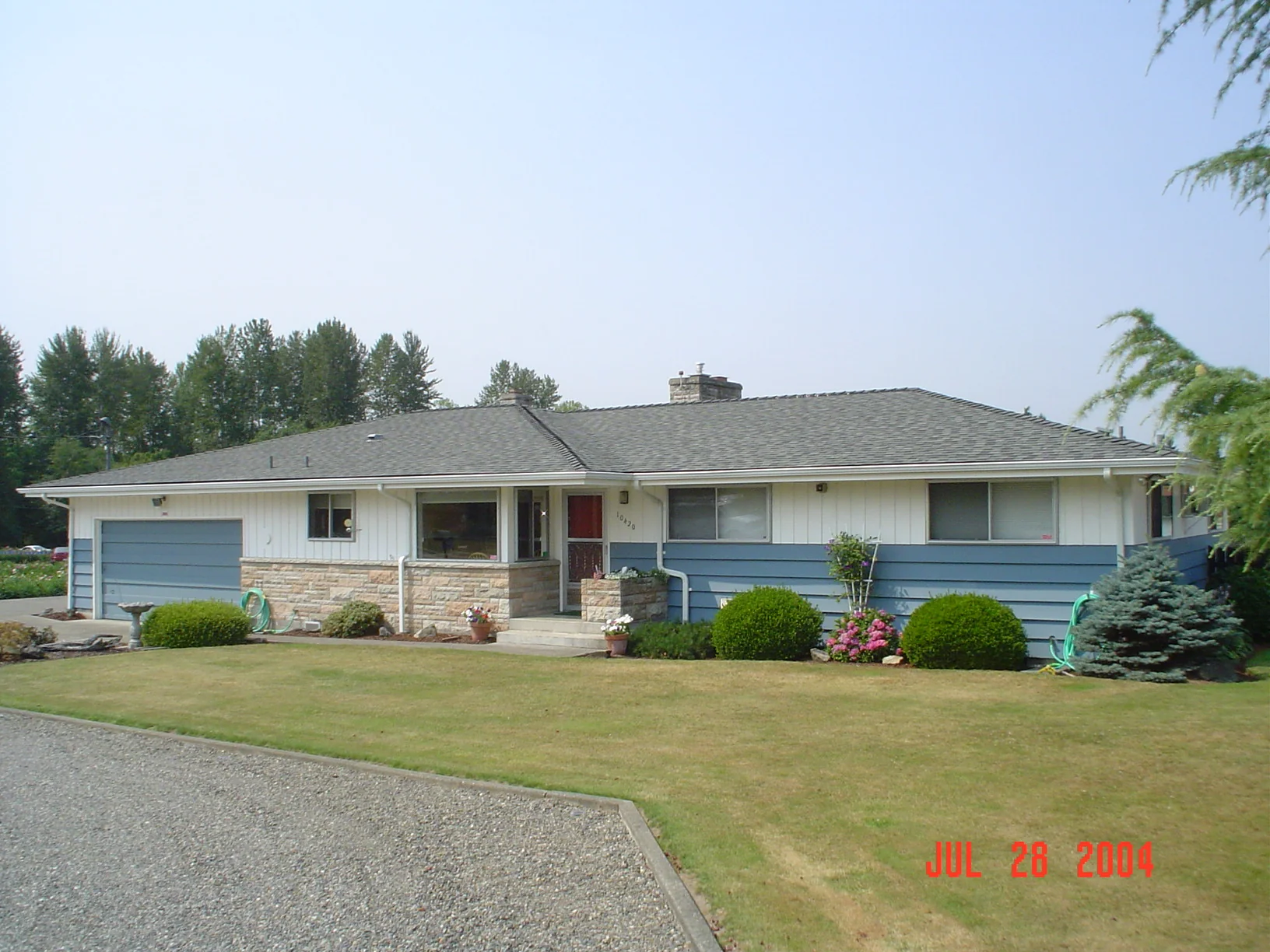
Kent spans the Green River valley and the hills on either side, with East Hill, West Hill and Panther Lake among the areas identified in the local roofing guidance. Kent’s roofing guidance covers 1960s ramblers and newer two-story homes without establishing how old any individual roof is. Use the house's actual layout, past work and present condition as the basis for replacement planning.
For a home in Scenic Hill, Meridian or Lake Meridian, ask how hillside wind reaches the roof and where winter runoff concentrates. Kent roofing guidance highlights wind-rated shingles, protected valleys and upgraded underlayment. If your house includes a garage roof, addition or lower-slope section, have each surface named in the proposal. A neighborhood label cannot determine which material or flashing detail belongs on that particular surface.
Build a roof-area inventory before choosing a product
An inspection should distinguish the main slopes, valleys, eaves and roof-to-wall intersections, along with penetrations such as vents, chimneys and skylights where present. Those details help explain why two roofs of similar area may need different amounts of labor. Ask what can be evaluated before tear-off and what will remain uncertain until the existing covering has been removed.
For a replacement, DHT describes complete tear-off to the deck, debris haul-away and inspection of the sheathing. Soft or rotted sections are replaced as necessary; the cost guide says that decking work is priced per sheet if needed. Discuss how findings will be documented and approved. Covering over old layers would leave a different scope from the full tear-off described by DHT.
What goes back onto the deck
The included system uses synthetic underlayment and ice & water shield at eaves, valleys and penetrations. New drip edge, pipe boots, step and counter flashing address transitions and openings. Balanced intake and ridge ventilation are also part of the replacement scope. Ask how those details fit the existing attic and any roof sections that need a separate low-slope or flat-roof covering.
Architectural shingles or metal panels are installed to manufacturer specifications. Cleanup includes a magnetic nail sweep, and the final walkthrough gives you an opportunity to review the finished work. Compare proposals against the whole sequence, not just the brand or color of the visible roofing. Keep the agreed scope so that concealed repairs, selected products and final documentation can be understood together.
Decide whether the evidence supports replacement
A missing shingle on an otherwise sound roof may call for repair, while widespread curling, cracking or bare shingle areas suggest a different decision. Repeated leaks at separate locations, granules accumulating around downspouts and moss lifting edges are useful symptoms to report. A recurring stain should be traced because water can travel before it appears on a ceiling.
The lifespan guidance offers condition-based thresholds rather than a guaranteed expiration date for asphalt: inspect an unchecked roof at 15+ years, and consider replacement when a roof is 20+ years old with curling, cracking or bald shingles. These are not Kent housing-age statistics. If records are missing, an inspection of present condition is more useful than guessing when the roof must have been installed.
Asphalt vs metal for Kent homes
DHT presents architectural asphalt shingles as the value-oriented option. Their performance depends on the assembly, ventilation, exposure and maintenance, not simply the product label. They provide a different budget proposition from metal, and the proposal should still explain fastening, valleys and roof edges in Kent's wind and long wet winters.
Quality standing-seam metal commonly lasts 40–60 years and sheds rain, moss and fir needles better. Our roof replacement cost guide describes its price as about 1.8 to 2.5 times an asphalt roof. Consider whether that initial expense fits your budget and intended ownership period. Ask which covering suits each slope instead of assuming metal or asphalt is automatically appropriate for every part of the house.
Roof replacement cost in Kent
DHT's cost guide lists asphalt replacement at roughly $7.00–$10.50 per square foot of roof surface and about $9,500–$22,000 for a typical South Sound home. These are planning ranges from the guide, not a fixed Kent quote. Roof area differs from interior floor area, so a two-story home's living-space figure is not a substitute for measuring its roof.
Pitch, extra layers, roof complexity, material and decking condition affect the estimate. Ask whether flashing and ventilation are included and how any uncertain sheathing allowance is treated. If an old shake roof sits on spaced boards, discuss re-sheathing rather than comparing only the new covering. A useful written price follows the measured roof and agreed scope, not a generalized expectation based on the house style.
See the full roof replacement cost guide for the existing roof-size and material ranges.
Roof replacement timeline in Kent
The general timeline is 1–3 days for most single-family tear-offs and reroofs, or 4–5 days for steep or complex roofs. Confirm delivery, access, weather planning and how discovered damage may affect the sequence. DHT schedules around the forecast and describes limiting open roof areas to what can be dried in that day.
Before authorizing work, check permit and inspection requirements with your city’s permitting office or the authority responsible for the property. If an HOA applies, verify any material, color or submission rules before selecting the final system. Do not assume another Kent homeowner's approval process applies to your home. Keep required approvals alongside the written scope and warranty information.
Kent roof replacement FAQ
Can a rambler and a two-story home use the same shingles?
Possibly, but matching products do not establish matching scopes. Pitch, access, roof intersections and attic ventilation still need individual assessment, along with any lower-slope areas that require a different covering.
Should I investigate soft spots myself?
No. Report visible sagging or suspected soft areas to the inspector without walking the roof. Observations from the ground and indoor leak history can begin the assessment safely.
What warranty is described for replacement?
DHT provides a manufacturer material warranty plus its own 10-year workmanship warranty. Ask for the selected system's documents and keep them with the final proposal and any agreed changes.
What if only one vent is leaking?
A localized vent or flashing defect may be repairable if surrounding roofing is sound. Ask what evidence supports replacing the whole roof rather than correcting that specific entry point.
Roofing in Kent and nearby
For repairs and other services, explore roofing in Kent. Compare our main roof replacement in Tacoma page for the complete replacement scope and warranty.
Get your Kent roof replacement price in 60 seconds
Type your address, we measure your roof by satellite, and you book a free inspection.